The Inequality Lab
Wealth, Labour, and Capital
How do societies generate and distribute wealth? These books examine the mechanisms of capital accumulation, the moral foundations of labour, and the long structural history of inequality. The focus is on argument quality: whether the causal claims hold, whether the evidence is adequate, and whether the normative conclusions follow from the analysis.
This collection moves beyond simple economic modeling to explore the sociopolitical underpinnings of the marketplace. By interrogating how “value” is defined and who is permitted to claim it, these texts trace the evolution of capitalism from its early philosophical justifications to its modern global manifestations. We will scrutinize the shifting boundary between the private market and public life, evaluating how the drive for profit intersects with the human need for recognition, democratic participation, and social stability. Ultimately, these works challenge us to consider whether our current economic structures serve the common good or merely perpetuate historical cycles of concentration and dispossession.
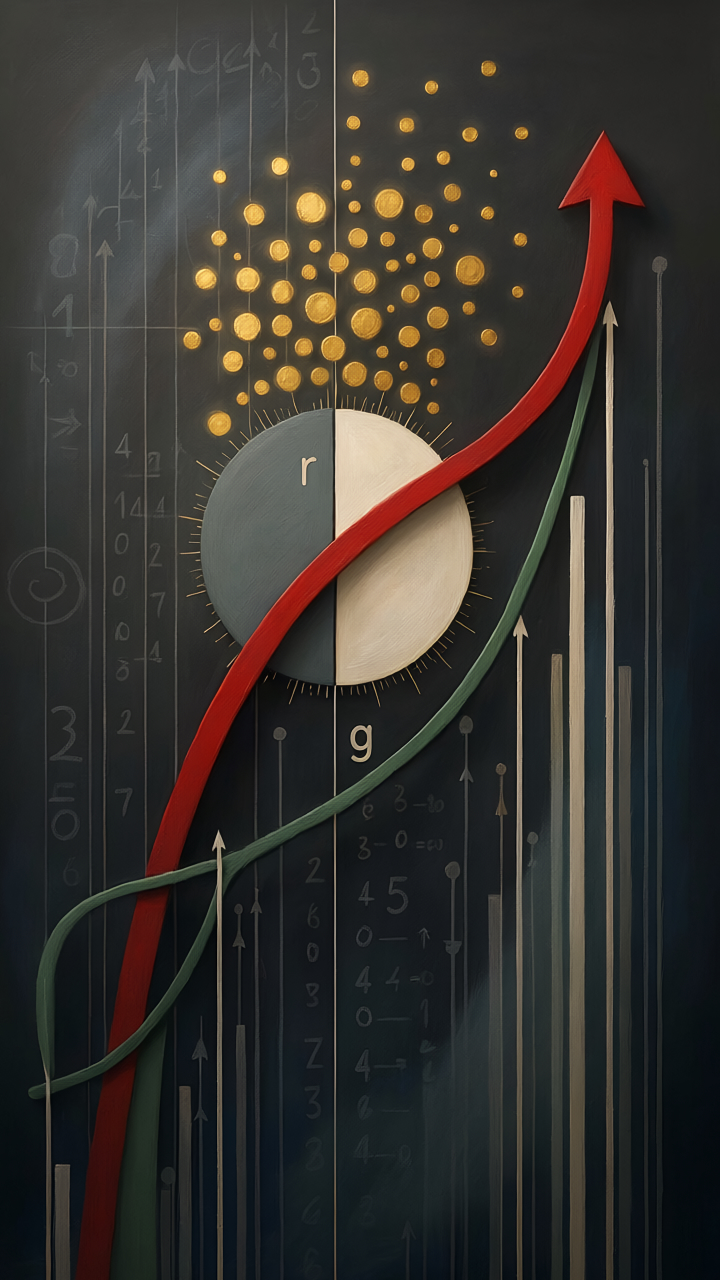
Capital in the Twenty-First Century. Translated by Arthur Goldhammer. Harvard University Press, 2014.
Capital: A Critique of Political Economy, Volume I. Translated by Ben Fowkes. Verlag von Otto Meissner, 1867.
Participation and Democratic Theory. Cambridge University Press, 1970.
The Great Transformation: The Political and Economic Origins of Our Time. Farrar & Rinehart, 1944.
The Passions and the Interests: Political Arguments for Capitalism Before Its Triumph. Princeton University Press, 1977.
The Struggle for Recognition: The Moral Grammar of Social Conflicts. Translated by Joel Anderson. Polity Press, 1995.
The Value of Everything: Making and Taking in the Global Economy. Allen Lane, 2018.
The Working Sovereign: Labour and Democratic Citizenship. Translated by Daniel Steuer. Polity Press, 2024.
What Money Can't Buy: The Moral Limits of Markets. Farrar, Straus and Giroux, 2012.